
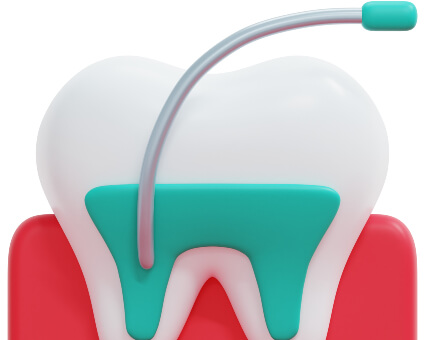
Root Canal Treatment in Sydney
At CDC Dental, we focus on both preventing dental problems and restoring damaged teeth so you can maintain your oral health over the long term. Root canal treatment, also known as endodontic therapy, is a restorative procedure used to preserve a tooth when the tissue inside it becomes inflamed or infected.
Root canals were once associated with significant discomfort, but modern techniques and local anaesthesia have changed the experience considerably. With Dentist Dr Tony Goswell’s gentle, unhurried approach and appropriate pain management, many patients find the procedure similar in comfort to other routine dental work.
When Is Root Canal Treatment Needed?
Root canal treatment is necessary when the soft tissue inside the root canal (the pulp) becomes inflamed or infected. Where possible, the procedure is required to try and save the severely damaged natural tooth, before resorting to extraction.
NEW PATIENTS
Are You a Candidate for Root Canal Treatment?
As with any dental concern, it’s important to seek treatment as soon as possible to prevent the issue from requiring more complex work down the track. If you’re experiencing any of the following signs or symptoms, then you may be a candidate for root canal treatment:
- Swollen or tender gums
- A severe toothache
- Prolonged sensitivity to hot or cold
- A darkened or discoloured tooth
- An abscess or noticeable signs of infection
Root Canal Treatment vs Extraction
When a tooth can be predictably restored, root canal treatment may allow it to be preserved rather than removed. Keeping a natural tooth can help maintain normal function and avoid the need to replace a missing tooth. Extraction may be considered when a tooth cannot reasonably be restored or when other clinical factors make removal the more appropriate option. Dr Goswell will discuss the available options based on the condition of your tooth.
When a Specialist Referral May Be Needed
Most root canal treatments are completed here at CDC Dental as part of your ongoing care. Occasionally, a tooth with complex or calcified root anatomy may require more specialised care. In these cases, we may recommend referral to an endodontist so you can receive care appropriate to the complexity of the tooth.
Meet Your Dentist
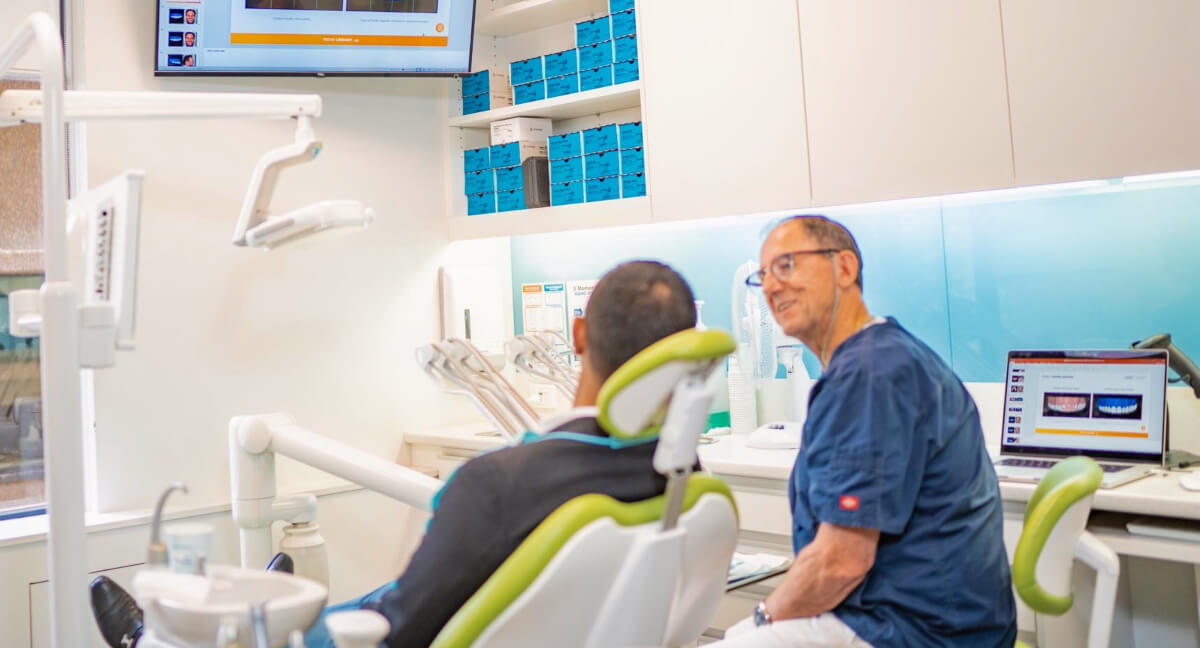
Your root canal treatment is carried out by Dr Goswell, a Fellow of the Royal Australasian College of Dental Surgeons (FRACDS) with close to 45 years in general practice. He takes a conservative, unhurried approach to every appointment, with a focus on preserving your natural tooth wherever clinically appropriate rather than moving straight to extraction.
Patients visiting our Sydney practice receive personalised, attentive care from our convenient CBD location at Level 4, 12 O’Connell Street.
The Root Canal Procedure
Root canal treatment at the practice typically takes three to four appointments to complete. The exact process may vary depending on the tooth and your individual circumstances, and an additional appointment may sometimes be needed.
We begin by removing the pulp along with bacteria and debris from inside the tooth. Once the chamber has been thoroughly cleaned, medication is placed inside and the tooth is sealed with a temporary filling for around three weeks.
At your second appointment, we remove the temporary filling and assess the tooth. Further medication may be placed inside before the tooth is resealed, allowing time for the area to settle before the next stage.
Around three weeks later, we’ll assess the tooth again. If it’s ready for its final restoration, we’ll place a permanent filling. A crown may also be recommended to help protect the tooth, depending on its location and how much natural tooth structure remains.
Frequently Asked Questions
How many appointments does root canal treatment take?
What happens if I don’t get treatment?
How successful is root canal treatment?
Do I need a referral to a specialist?
Get Started Today
If you suspect you may require root canal treatment, it’s important to have the tooth assessed promptly. Please schedule an appointment with our friendly and experienced team today.
Any invasive or surgical procedure may carry risks. Before moving forward, it is recommended that you seek a second opinion from an appropriately licensed medical professional.
