
Emergency Dentist in Sydney
Experiencing Pain or Discomfort?
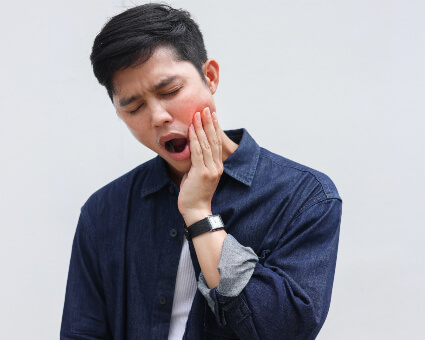
At CDC Dental, we understand how stressful a dental emergency can be, especially when you’re in pain and trying to get through a busy day. We attend to emergencies as soon as possible and will do all we can to work you into our schedule promptly. Our kind and caring team is here to help you feel at ease and find out what’s causing the problem.
Cared for by Dr Tony Goswell (Dentist)
Dr Goswell has been caring for city patients for close to four decades, having brought his practice to the CBD in 1987, through Macquarie Street and Chifley Tower, and now to our O’Connell Street home. He is also a Fellow of the Royal Australasian College of Dental Surgeons.
In an emergency, Dr Goswell takes a calm, conservative approach. His focus is on understanding what’s causing the problem, explaining your options in plain English and recommending treatment based on what he finds during your examination.
Signs You Need an Emergency Dentist
It can be hard to know whether what you’re experiencing is a dental emergency. Severe pain, a sudden injury or swelling are all reasons to contact a dentist promptly. Other situations that may require urgent attention include:
- Broken, cracked or knocked-out teeth. This can happen after a fall, sporting injury or biting something hard. A knocked-out adult tooth is particularly time-sensitive, so call straight away.
- An abscessed or infected tooth. Throbbing pain, swelling or a bad taste in your mouth can be signs of infection and should be assessed promptly.
- Toothache. Persistent or severe tooth pain may be related to decay, infection, damage or another dental problem.
- Lost fillings or broken crowns. Losing a restoration can leave the underlying tooth exposed and sensitive.
- A painful or damaged tooth that may need extraction. Sometimes a badly damaged or infected tooth, including a wisdom tooth, needs urgent assessment.
- Broken dentures. Damage can make eating and speaking difficult or irritate the gums.
- Infected gums or soft tissue. Swelling, pain, bleeding or a sore that isn’t healing may need assessment.
- Broken or damaged veneers. A damaged veneer can have a sharp edge or leave part of the underlying tooth exposed.
- Sports injuries and trauma. A knock to the mouth can affect the teeth, gums or jaw, even when the damage isn’t immediately obvious.
If you’re unsure how urgently you need to be seen, call us. We’ll help you determine the next step.
What to Do Right Now
While you’re arranging to see us, a few simple steps may help protect the affected area and manage your discomfort. This is first-aid guidance only and doesn’t replace a dental examination.
Knocked-Out Tooth
Call us straight away. Pick up an adult tooth by the crown, the part you’d normally see in your mouth, and avoid touching the root. If it’s dirty, rinse it briefly without scrubbing it. If possible, gently place the tooth back into its socket. If you can’t, keep it moist in milk and bring it with you. Don’t wrap it in a tissue or allow it to dry out.
Never try to put a knocked-out baby tooth back into its socket.
Broken or Chipped Tooth
Rinse your mouth gently with warm water and keep any pieces of tooth you can find. Apply a cold compress to the outside of your cheek if there’s swelling, and use clean gauze with gentle pressure if there’s bleeding.
Avoid biting on the damaged tooth and contact us for advice, particularly if you’re experiencing significant pain.
Lost Filling or Crown
Keep the crown or filling if you still have it and bring it with you. Try to chew on the other side and avoid very hot, cold or sticky foods until you’re seen.
Don’t use household glue to reattach a crown. We’ll examine the tooth and determine whether the restoration can be repaired, refitted or needs replacing.
Read more about Crowns and Bridges »
Severe Swelling
Swelling in your face or jaw can be associated with infection, so contact us promptly. A cold compress against the outside of your cheek may help with discomfort. Don’t try to drain the swelling yourself.
If swelling is spreading towards your eye or neck, you’re having difficulty breathing or swallowing, or you’re otherwise seriously unwell, seek urgent medical attention or call 000.
Managing Discomfort While You Wait
Over-the-counter pain relief such as paracetamol or ibuprofen may help when taken as directed on the packaging and if it’s suitable for you. If you’re unsure, speak with a pharmacist.
You can also gently rinse with warm salt water. Don’t place aspirin directly against a painful tooth or gum.
What Happens When You See Us
Knowing what to expect can make an emergency visit feel a little less daunting.
Start by calling us or contacting us through the website. Tell us what’s happened and what symptoms you’re experiencing. We’ll do all we can to arrange an appointment promptly and work with your schedule where possible.
When you arrive, Dr Goswell will ask about your symptoms and examine the affected area. X-rays may also be taken if they’re needed to understand what’s happening.
We’ll focus on assessing the problem and helping manage your discomfort. Once we understand what’s causing it, we’ll explain what we’ve found and talk you through the treatment options.
Sometimes treatment may involve a straightforward repair, while other problems require further treatment or another appointment. You’ll know what’s being recommended, why and what it will cost before proceeding.
If you haven’t visited us before, learn more on our New Patients page or Meet the Team who’ll be looking after you.
If Your Emergency Happens Outside Our Hours
We’re open Monday to Friday from 8 am to 5 pm. If something happens outside these hours, call us on (02) 9231 3822 for information about the next steps.
Many dental problems need prompt dental attention but don’t require a hospital emergency department. However, seek urgent medical attention or call 000 if you have:
- Swelling spreading towards your eye or neck
- Difficulty breathing or swallowing
- Significant facial swelling and you’re feeling seriously unwell
- Bleeding from your mouth that won’t stop with firm pressure
- A serious injury to your head, face or jaw
A hospital emergency department can assess serious infection, bleeding or trauma, but you may still need follow-up dental treatment.
Why Choose Us for Your Dental Emergency
For more than four decades, Dr Goswell and our team have cared for city patients with urgent dental concerns. Our focus is on understanding what’s causing the problem, helping manage your discomfort and explaining your treatment options clearly.
We also take a conservative approach. Even when you’re in pain and want the problem addressed quickly, we’ll explain what we’ve found and recommend treatment based on your individual needs.
Our O’Connell Street practice is centrally located and easy to reach by car, bus or train, making it convenient when you’re trying to fit an unexpected dental visit into a busy working day.
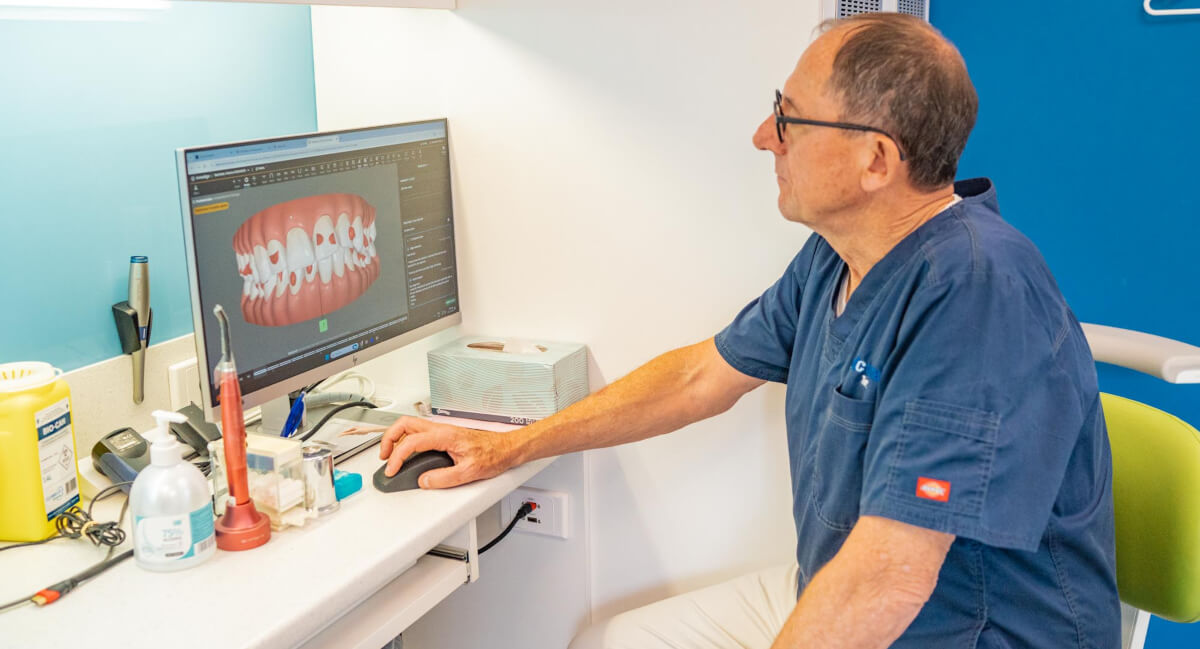
Frequently Asked Questions
Will an emergency dentist remove my tooth?
How can I manage throbbing tooth pain until my appointment?
How can I sleep with severe tooth pain?
What is a common dental emergency?
Is severe tooth pain an emergency?
Why can toothache feel worse at night?
Can I go to the hospital for tooth pain in NSW?
For many other dental emergencies, a dentist can assess the cause and provide the dental treatment you may need.
Need to See Us? Getting Here Is Easy
To arrange an emergency appointment, contact CDC Dental today or send us a message through our contact form.
We’re open Monday to Friday from 8 am to 5 pm, and our O’Connell Street practice is centrally located and easy to reach by car, bus or train. Tell us what’s happened and we’ll do all we can to arrange an appointment promptly.
Any invasive or surgical procedure may carry risks. Before moving forward, it is recommended that you seek a second opinion from an appropriately licensed medical professional.
