
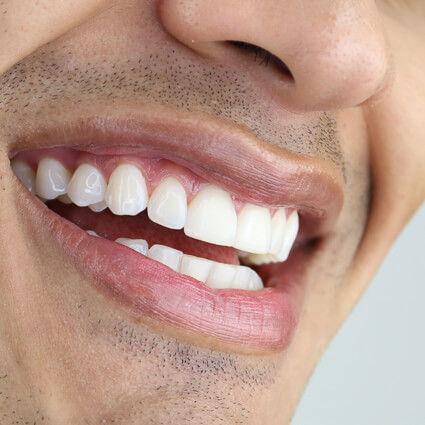
Losing a tooth can affect more than appearance. It may change the way you eat, speak, smile, or even feel in social situations. Once people begin researching replacement options, they often discover there’s no shortage of information, and not all of it is easy to make sense of.
Most patients are presented with three main paths: dental implants, bridges, or dentures. Each option replaces missing teeth differently, with different timelines, costs, maintenance requirements, and long-term considerations.
A Quick Explanation of Each Option
Dental implants involve placing a small titanium post into the jawbone where the missing tooth root once sat. After healing, a custom-made crown, bridge, or denture attachment is secured on top. The goal is to create a replacement tooth that looks and functions similarly to a natural tooth.
Dental bridges use the teeth on either side of the gap for support. Those neighbouring teeth are reshaped so a custom restoration can sit securely between them.
Dentures are removable appliances designed to replace multiple missing teeth or a full arch of teeth. They rest on the gum line and can be removed for cleaning.
How They Compare Across the Factors That Matter Most
- Dental Implants
- Designed to feel similar to a natural tooth
- Can provide strong chewing function
- May last for many years with proper care
- Adjacent teeth usually unaffected
- Helps stimulate the jawbone
- Longer treatment timeline
- Higher upfront investment
- Cared for similarly to natural teeth
- Bridges
- Natural-looking fixed option
- Functional for everyday eating
- Often last around 10-15 years
- Requires reshaping neighbouring teeth
- Does not stimulate bone
- Faster than implants
- Moderate upfront cost
- Requires specialised flossing techniques
- Dentures
- Natural-looking removable option
- May shift or limit certain foods
- Require periodic adjustment or replacement
- Does not directly affect adjacent teeth
- Does not stimulate bone
- Usually relatively quick
- Lower upfront cost
- Requires removal and cleaning
Each option has strengths and limitations. The best choice depends on what matters most to the individual patient.
When Each Option May Make Sense
Dental implants are often considered by patients looking for a long-term, fixed solution that feels close to a natural tooth. They may be suitable when there is adequate bone support and healthy gum tissue.
Bridges can be a practical option when someone wants a fixed restoration but prefers a shorter treatment timeline or lower upfront cost than implants.
Dentures continue to play an important role in dentistry, particularly when replacing multiple teeth or a full arch. They may also be considered when bone loss or medical factors make implants less suitable.
The One Thing Many People Don’t Consider: Bone Changes
When a tooth is lost, the jawbone in that area no longer receives stimulation from the tooth root. Over time, the bone may gradually shrink. This process can affect facial structure and may influence future dental treatment options if left untreated for many years.
Dental implants are currently the only tooth replacement option designed to stimulate the jawbone in a similar way to a natural tooth root. Bridges and dentures restore the visible part of the smile but do not address the missing root beneath the gums.
“One of the most important parts of these conversations is helping patients understand the long-term picture, not just the immediate fix. Every option has advantages, and the right choice depends on the individual sitting in front of you.” — Dr Tony Goswell (Dentist)
Learn More About Dental Implants
Lifestyle and Maintenance Considerations
Implants are generally brushed and flossed much like natural teeth. Bridges often require additional cleaning tools to reach beneath the restoration properly. Dentures need to be removed and cleaned regularly and may require periodic adjustments over time as the mouth changes.
Lifestyle preferences matter too. Some patients strongly prefer a fixed option that stays in place, while others are comfortable with a removable appliance if it suits their budget or treatment goals.
So Which Option Is Right for You?
There’s no universal answer. The right choice depends on your oral health, budget, lifestyle preferences, and long-term goals. The most reliable way to find out what may suit you is through a proper dental assessment rather than trying to make a final decision from online research alone.
Dr Goswell has been helping Sydney patients navigate these decisions for decades with an approach centred on understanding each person’s priorities before discussing treatment pathways.
Moving Forward With Confidence
Researching tooth replacement options can feel overwhelming at first, but taking the time to understand the differences is an important step.
If you’d like personalised guidance, the CDC Dental team can walk you through your options in a relaxed consultation environment where implants, bridges, and dentures can all be discussed honestly and thoroughly. You can also learn more about Dental Implants, Dental Crowns, Smile Makeovers, or visit the Meet Dr. Goswell page before booking.