
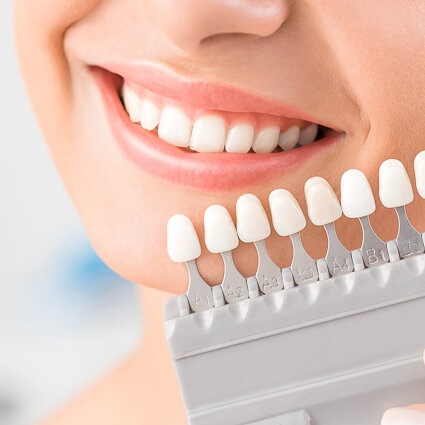
 From that morning cuppa to a glass of red wine after work, some of our favourite drinks can gradually stain our teeth. Tooth staining can happen slowly or seem to appear all at once, and understanding the cause is the first step towards managing it.
Why Teeth Stain Over Time
Many patients who ask about whitening have already tried something. A whitening toothpaste, strips from the chemist, or an online kit. Sometimes these make a small difference. Often, they don’t. That is because the type of staining plays a major role in what may or may not respond.
Dr Tony Goswell (Dentist) has spent over 45 years helping Sydney patients understand changes in their teeth and what may be contributing to discolouration. His perspective can be helpful before trying different whitening options.
“Understanding why teeth stain helps guide a more informed conversation about what whitening may achieve. The type of staining, the condition of the enamel, and daily habits all play a role. A thorough assessment helps determine which options may be appropriate.” — Dr Tony Goswell
The Two Types of Tooth Staining
Not all staining is the same, and this distinction matters before choosing any whitening approach.
- Surface stains, also known as extrinsic stains, sit on the outer enamel. These often develop from food, drink, and daily habits.
- Deeper discolouration, known as intrinsic staining, occurs within the tooth structure. It may be linked to ageing, certain medications taken during tooth development, excessive fluoride exposure, or dental trauma. These types of stains can be more complex, which is why an individual assessment is important before considering whitening.
Common Causes of Tooth Staining
- Food and Drink: Coffee and tea are common contributors. Both contain tannins that can bind to enamel and gradually affect colour. Red wine, soft drinks, berries, tomato-based sauces, and soy sauce can also contribute over time. Small daily habits can have a cumulative effect.
- Tobacco Use: Smoking can lead to noticeable staining. Nicotine and tar can affect the appearance of enamel and may contribute to yellow or brown discolouration.
- Ageing: As enamel naturally wears over time, the underlying dentine becomes more visible. Dentine has a naturally warmer tone, which can make teeth appear darker.
- Medications: Certain antibiotics taken during childhood have been associated with intrinsic staining. Some antihistamines and blood pressure medications may also contribute to changes in tooth colour. If you think this may be relevant, it can be discussed during a consultation.
Daily Habits That Help
Prevention will not reverse existing discolouration, but it may help reduce further staining. Rinsing with water after consuming dark-coloured drinks can help limit how long pigments remain on the teeth. Using a straw may reduce contact with the front teeth. Brushing twice daily, flossing regularly, and attending routine dental visits all support long-term oral health. Professional cleans performed by Oral Health Therapists can help remove surface build-up and support maintenance over time.
When Whitening May Be Considered
If staining has developed, preventive habits alone may not change the appearance. In these situations, whitening may be one option discussed during a consultation. Dr Tony provides guidance based on the type of discolouration present and individual factors such as enamel condition and oral health history. The goal is to help patients understand what options may be suitable for their situation.
Ready to Learn More?
If you would like to understand what may be causing tooth discolouration or discuss your whitening options, the team at CDC Dental is here to help. Dr Tony provides personalised guidance to help you choose the approach that may be right for your smile.