
Nightguards & Splints for Teeth Grinding in Sydney
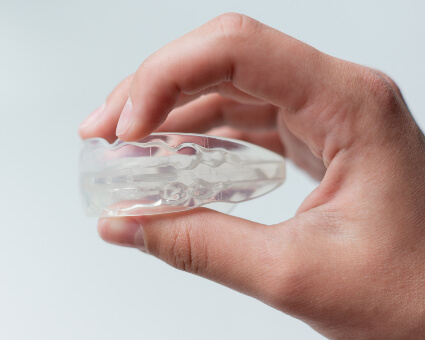 Do you wake up with jaw pain, headaches, or worn teeth? If yes, a custom nightguard or splint may help protect your smile and reduce the impact of grinding and clenching during sleep.
What Is Bruxism?
Bruxism is the term for teeth grinding and clenching, most commonly during sleep. Many people are unaware they do it until a partner mentions it or a dentist notices wear patterns. Stress is a common contributing factor, although it can also occur without an obvious cause.
Common signs include flattened or worn enamel, jaw discomfort on waking, morning headaches, tooth sensitivity, and cracked or chipped teeth. If you notice these changes, it is worth having your teeth and jaw assessed.
Why Teeth Grinding Can Be a Concern
Grinding places repeated pressure on teeth, muscles, and jaw joints. Over time, this can lead to enamel wear, sensitivity, fractures, and strain through the temporomandibular joints (TMJ). Because enamel does not regenerate, early identification is important.
Ongoing grinding may also contribute to jaw tension and disrupted sleep. The longer it continues, the more complex restorative care may become. An assessment allows changes to be identified and managed appropriately.
Custom Nightguard vs Store-Bought Options
| Custom Nightguard | Store-Bought | |
| Fit | Designed for your bite | Generic shape |
| Pressure | Even distribution | Can worsen jaw tension |
| Material | Durable, long-lasting | Often soft and short-lived |
| Comfort | Comfortable for sleep | Bulky |
| Protection | Long-term solution | Temporary at best |
Types of Dental Splints
Following your assessment, Dr Tony Goswell (Dentist) may recommend:
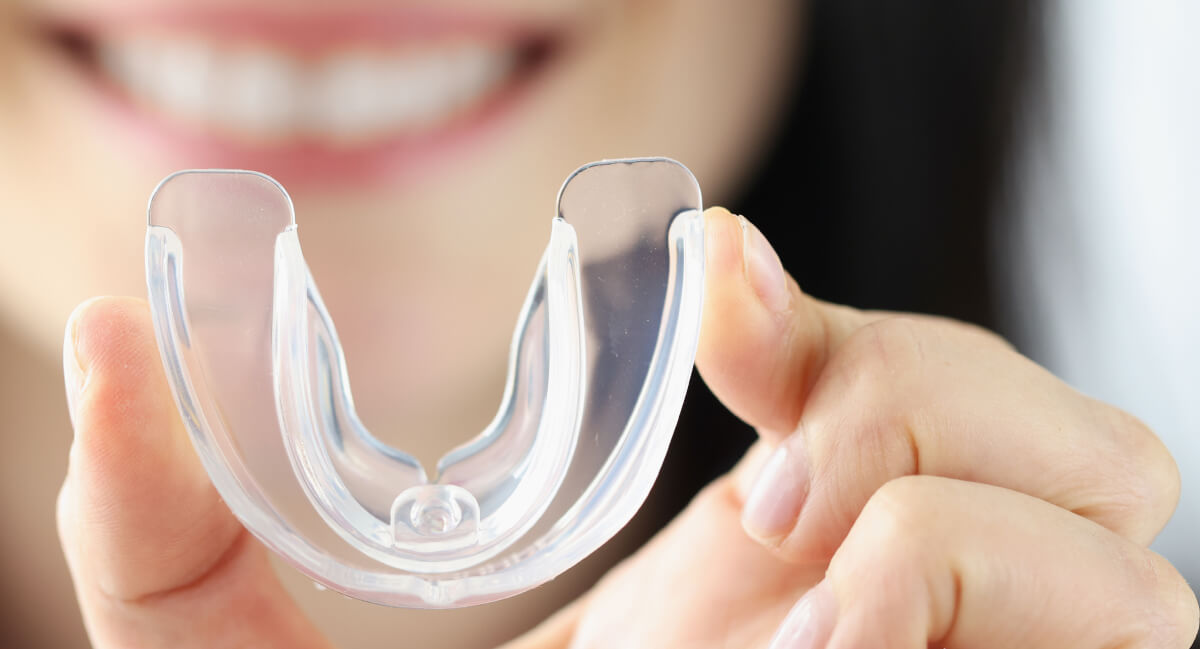
- A soft nightguard for mild grinding
- A hard acrylic splint where more significant wear is present
- A stabilisation or TMJ splint when jaw position or joint loading requires consideration
The Assessment & Fitting Process
When to Seek an Assessment
Consider booking an appointment if you experience:
- Morning headaches or facial tension
- A clicking, popping, or sore jaw
- Tooth sensitivity without another clear cause
- Chipped, cracked, or visibly worn teeth
Frequently Asked Questions
What is the difference between a nightguard and a splint?
How do I know if I grind my teeth?
Can a nightguard help with TMJ discomfort?
How long does a custom nightguard last?
Are over-the-counter nightguards effective?
Will it stop grinding completely?
Can I claim this on private health?
Book Your Consultation
Protecting your teeth from grinding may help reduce the risk of long-term wear and the need for more complex restorative care. CDC Dental can assess your teeth and jaw and discuss the most appropriate appliance for your needs.
